
Chimney Liner Repair in Greater Boston, MA
Cracked or missing flue liners found, repaired or replaced.
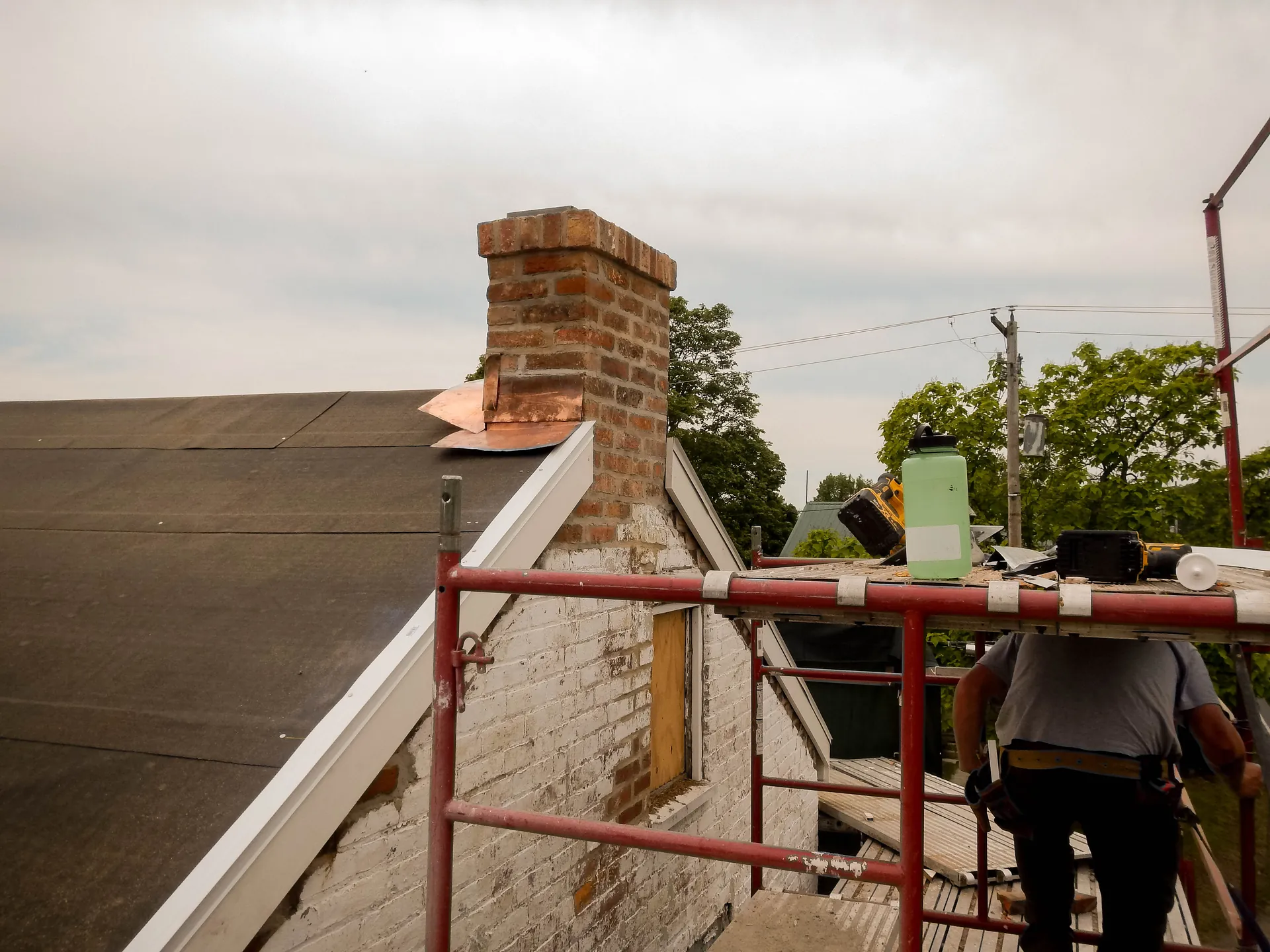
The liner is the inner surface of the flue. In older houses it is often clay tile, and tile can crack or shift over the years. A damaged liner can let heat and gases reach the masonry, which is why a camera inspection is usually the first step. Repair options depend on what the camera shows and what the chimney serves.
Signs you may need chimney liner repair
- A camera inspection that shows cracks, gaps or missing tile
- Smoke or odor entering the house
- A new or changed appliance connected to an old flue
- Water or soot staining on interior walls near the chimney
- Chimney fire history
- A flue that was never lined
What happens next
- Tell us what the inspection or the problem showed
- We route the request to a local chimney technician
- The technician explains the options, such as repair or relining, and quotes the work before it starts
What affects the cost
We do not publish prices because they depend on your chimney. These are the things that move the quote:
- Liner type and condition
- Flue size and chimney height
- Which appliance the chimney serves
- Number of bends and access to the flue
- Whether other masonry repairs are needed first
Questions
When does a chimney need to be relined?
Common reasons are damaged or missing liner, a flue that does not match a new appliance, or a past chimney fire. A camera inspection shows which applies.
What is the difference between repair and relining?
Repair fixes a section; relining runs a new liner through the full flue. The technician explains which fits the damage found.
Is a liner needed for a gas appliance?
The flue still needs to be sound and the right size for the appliance. Ask for an inspection when appliances change.