
Chimney Repair in Boston and Greater Boston, MA
Loose brick, open mortar joints, cracked crowns and leaking flashing repaired.
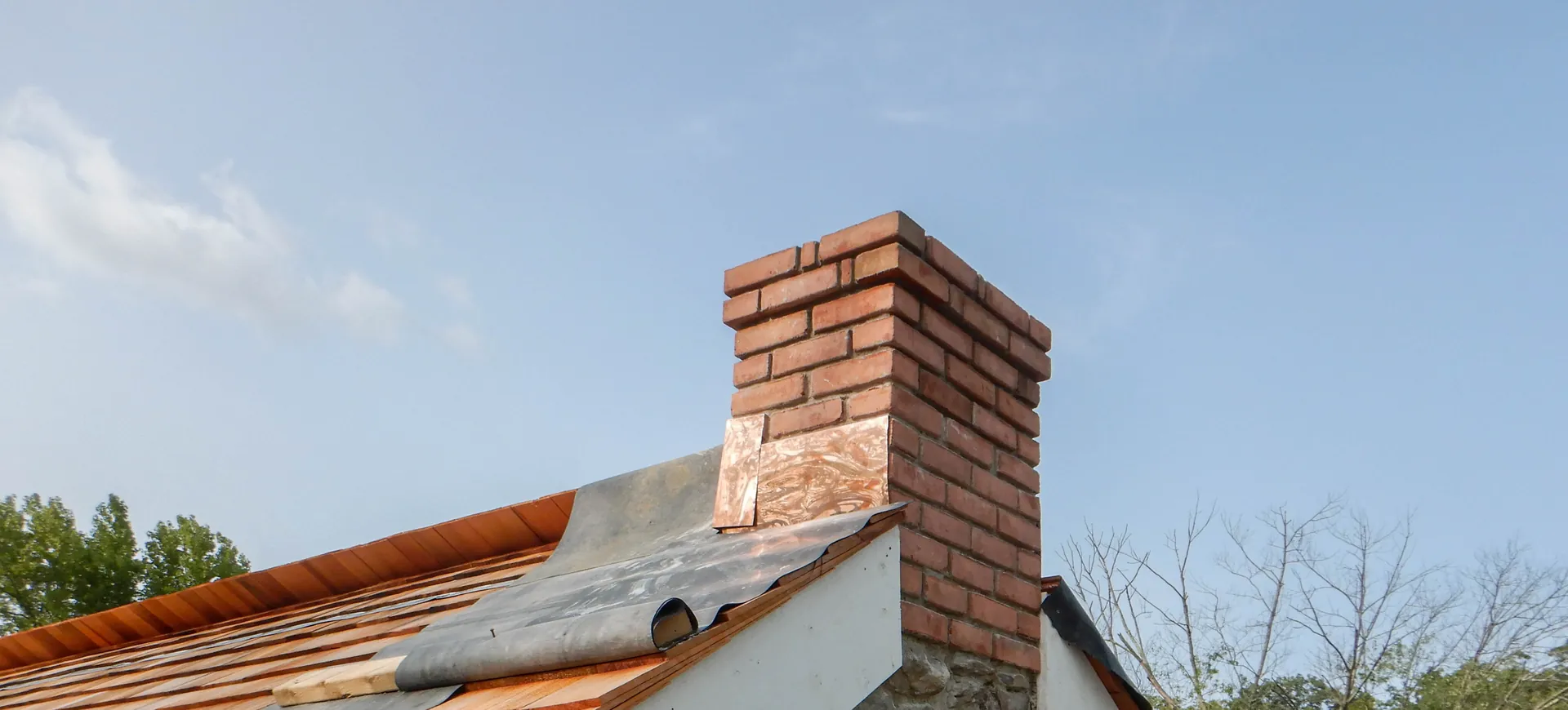
The part of a chimney above the roof sits in the weather all winter. Water gets into small cracks, freezes, and opens them further, so mortar joints wear away, crowns crack and bricks start to flake. Most chimney repair is about stopping water early, before it reaches the inside of the house or loosens the stack itself.
Signs you may need chimney repair
- Mortar missing or crumbling between the bricks
- Bricks with flaking or broken faces, or pieces on the ground
- A cracked or crumbling cement crown at the top
- Water stains on the ceiling or wall near the chimney
- White powdery staining on the outside of the brick
- A chimney that leans or has a visible gap where it meets the house
What happens next
- Tell us what you see, from the ground or from inside, and your ZIP code
- We route the request to a local chimney technician
- The technician inspects the chimney, explains the repair options and quotes the work before it starts
What affects the cost
We do not publish prices because they depend on your chimney. These are the things that move the quote:
- How much of the chimney needs repointing or rebuilding
- Height of the chimney and how the roof is reached
- Whether the crown, flashing or cap is part of the job
- Type and age of the brick and mortar
- Whether staging or scaffolding is needed
Questions
What is repointing?
Repointing means removing worn mortar from the joints between bricks and packing in new mortar. It restores the joints without rebuilding the chimney, as long as the bricks themselves are still sound.
Can chimney masonry be repaired in winter?
Mortar needs to cure above freezing, so some masonry work waits for milder weather or needs protection from the cold. Urgent problems can often be stabilized first. The technician will tell you what is realistic for the season.
Why is my chimney leaking?
Common entry points are the crown, the flashing where the chimney meets the roof, open mortar joints and a missing cap. An inspection finds which one it is, because the stain inside is not always below the leak.